

The Ultimate Dental Checklist Dogs Need

By The Safe Dog Chew Company Editorial Team · Updated 2026-09-04
Most dog owners know they should be doing more for their dog's teeth. They also know that most "dental chews" on store shelves are really just flavored treats with a ridged texture — not a real cleaning tool. The difference between a chew that actually reduces plaque and tartar and one that just smells like mint comes down to a few specific factors. This checklist covers all of them.
Key Takeaways
- Dental chews control plaque and tartar buildup while freshening your dog's breath — but only if the ingredients and texture are right.
- Many dental chews on the market cause broken teeth rather than supporting oral health.
- Chewing serves as an essential component of your dog's home oral care routine — it works best alongside brushing, not instead of it.
- Size and hardness matching matters as much as ingredient quality — the wrong fit erodes enamel rather than cleaning it.
What Should You Prepare Before Cleaning Your Dog's Teeth?
Preparation starts with understanding the stakes. By age three, most dogs already show some form of dental disease. Left unaddressed, dental problems cause tooth loss and, in some cases, let bacteria travel through the bloodstream and affect the heart, liver, and kidneys. A consistent home routine — brushing, vet cleanings, and the right chew — prevents most of that from happening.
The chew part is where most owners get tripped up. It's easy to assume that any product marketed as a "dental chew" is doing the job. In reality, a chew that's too hard fractures teeth. A chew that's too soft crumbles without doing any mechanical cleaning. A chew loaded with artificial binding agents introduces the same chemical exposure it's supposed to be preventing. Getting this right requires a real checklist, not a label scan at the pet store checkout.
What belongs on a dog dental checklist?
A solid dental checklist dogs owners can rely on covers ingredients, sourcing, and product safety before any chew reaches a dog's mouth. Follow these steps in order:
- Confirm the chew uses natural preservation methods — slow drying rather than chemical preservatives.
- Check the label for artificial additives or foreign fillers and rule out any product listing them.
- Research the manufacturer's sourcing and transparency — a company that publishes where ingredients come from is one that stands behind what's inside.
- Match chew size and hardness to the dog's jaw strength and chewing habits — too hard is worse than too soft.
Why does a teeth cleaning checklist matter?
A teeth cleaning checklist keeps routine care consistent instead of reactive. Dogs with daily chewing habits accumulate significantly less tartar than dogs that chew occasionally or not at all. Pairing these dental chew tips with regular home inspection catches early plaque buildup before it turns into a vet cleaning under anesthesia.
How Do You Choose And Use The Right Chew?
Two questions narrow the field quickly: how big is the dog, and how hard does the dog chew? From there, the ingredient list decides the rest. Below is a practical sequence that removes the guesswork.
- Assess size and bite strength first. A chew sized for a large breed won't clean a small dog's teeth — and one sized for a small breed won't survive a power chewer's session. Options range from small puppy chews to giant chews built specifically for large-breed jaw strength.
- Check the ingredient list before buying. Rule out anything with fillers, rawhide, or synthetic additives. A single-ingredient chew sourced from natural, traceable materials is the baseline.
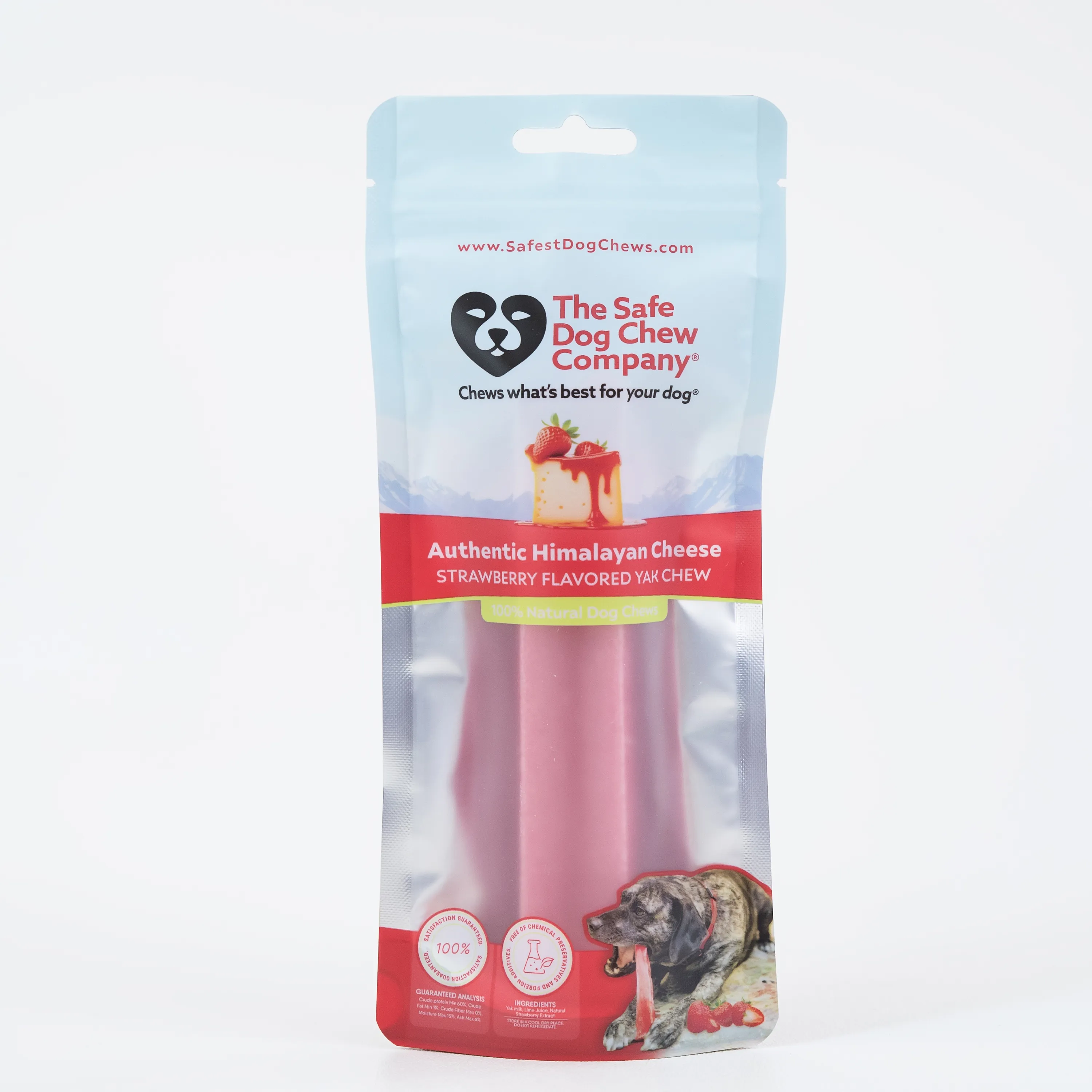
- Confirm digestibility and texture. Himalayan yak chews carry no splintering risk and remain fully digestible from the first bite to the last squeaky puff — the dense, gradually softening texture is exactly what scrapes plaque off tooth surfaces without cracking enamel.
- Supervise every session. Even well-made chews need monitoring as they get smaller. The last piece is where most choking incidents happen.
- Add a hands-free holder for the final piece. A holder lets the dog work the chew down to the very last bite safely, without swallowing a chunk that's gotten too small to gnaw properly.
What size chew is right for a puppy versus a large breed?
Puppies need smaller, softer options that flex slightly against developing enamel. Large breeds and aggressive chewers need density — a chew that's too soft for their bite force won't clean anything and won't last. Sizing correctly protects enamel and actually makes the dental checklist dogs owners put together worth following.
Should every chew session be supervised?
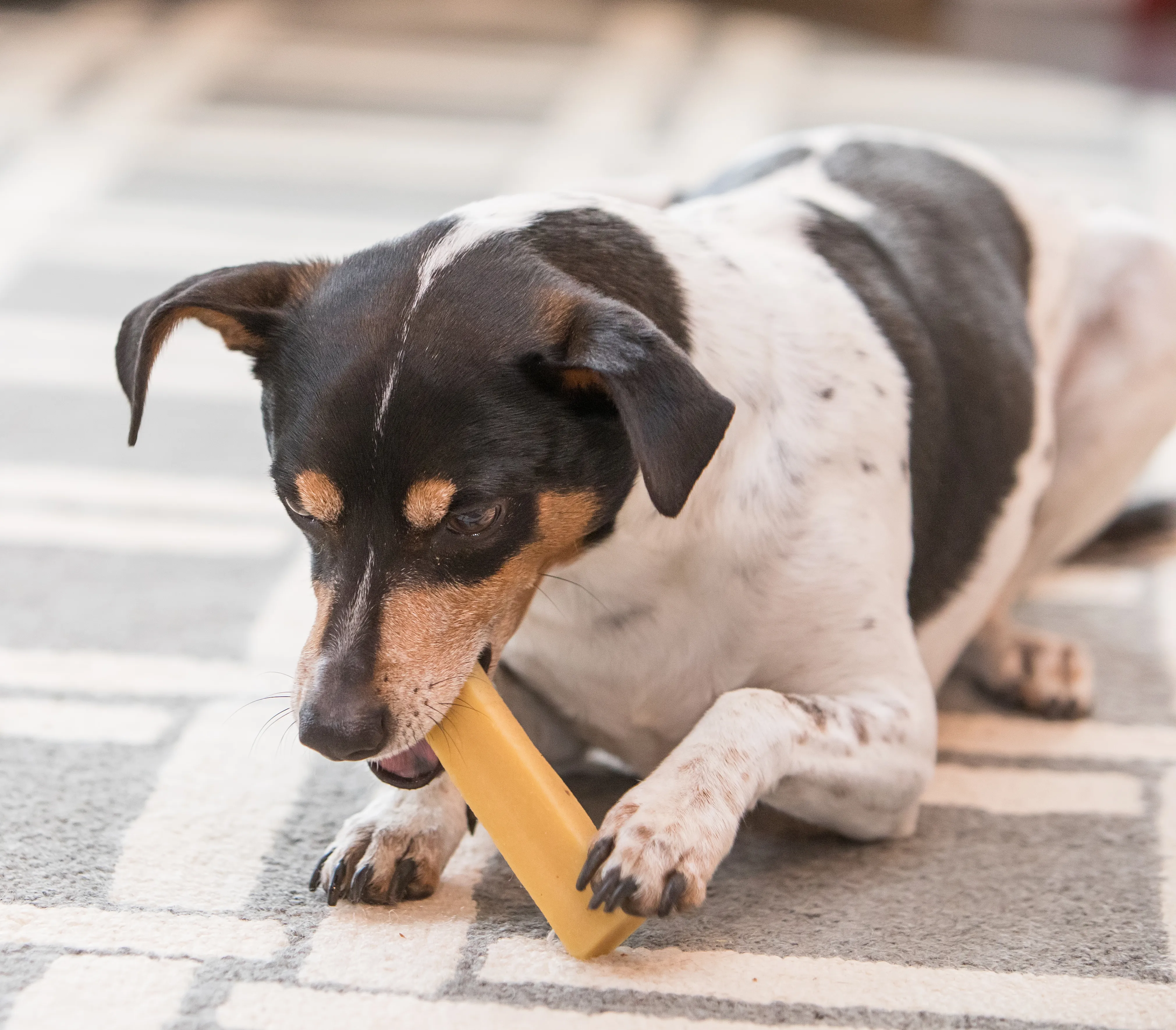
Yes. Supervision remains a core part of any teeth cleaning checklist. For dogs that chew alone regularly, collagen sticks offer a softer, gentler option that's easier to monitor — and still delivers real gum support and tartar reduction for dogs with sensitive teeth or aging mouths.
What Mistakes Should You Avoid?
Four errors undo an otherwise solid oral care routine. Dog owners often treat chews as a complete solution, skip reading ingredient labels, choose the wrong size for their dog, or stop offering chews once the puppy stage passes. Each mistake has a real cost — and most are easy to fix once you know what to look for.
Do chews replace brushing and professional cleanings?
No. Brushing a dog's teeth and scheduling professional cleanings remain the most effective tools for maintaining oral health. Chews work best as a daily supplement to that routine — they keep plaque from building up between brushings rather than eliminating the need for them. A dental checklist for dogs that skips brushing and vet cleanings will always be incomplete, no matter how good the chew is.
What else gets overlooked in a teeth cleaning checklist?
Many owners buy treats without checking whether the ingredients actually support cleaner teeth. Chews should also match a dog's size and chewing strength — the wrong fit either fails to clean or poses a real fracture risk. And chew time is enrichment, not just maintenance: a dog that chews consistently is calmer, less destructive, and better stimulated than one that doesn't.
Common dental chew tips worth following:
- Pair chews with regular brushing, not instead of it
- Read ingredient labels — "natural" on the front doesn't mean clean on the back
- Match chew size and hardness to the individual dog
- Treat chew time as enrichment, not just a cleaning task
What to Look for in a Dental Chew That Actually Works
The chews that genuinely reduce plaque share a few properties: they're dense enough to create friction against the tooth surface, they soften gradually rather than crumbling or splintering, and they're digestible all the way through so there's no residue left in the gut. Himalayan yak chews check all three boxes — the slow-drying process creates a texture that works mechanically against tartar the same way a toothbrush does, without abrasive chemicals.
The other factor is consistency. A chew only supports dental health when it's part of a daily routine, not an occasional treat. Finding one the dog reliably finishes — rather than one it ignores after the first five minutes — is what makes the difference. The Ultimate Chew Box is useful here: it covers multiple flavors and formats so owners can find what their dog actually wants to chew before committing to a single product. Once you find the right match, daily dental support becomes as automatic as filling the water bowl. For dogs that need additional wellness support beyond dental care, health supplements pair naturally with a daily chewing routine — covering joint health and digestion with the same clean-ingredient standard.
FAQ
What should be on a dog dental chew checklist?
Verify chew flexibility to avoid tooth fractures, confirm natural preservation methods, and choose a size matching your dog's jaw strength. The right chew reduces plaque and tartar through mechanical friction — not chemical additives.
How do you pick the right size and hardness for a chew?
Match the chew to your dog's weight class and chewing style. Options range from small puppy chews to giant chews for large-breed power chewers. Always supervise sessions as the chew gets smaller.
Why does starting dental care early matter for dogs?
By age three, most dogs already show some form of dental disease. Unaddressed issues cause tooth loss or let bacteria affect other organs. A consistent daily routine with the right chew prevents most of that from developing in the first place.
Conclusion
A real dental routine for dogs isn't complicated — it just requires choosing the right chew and using it consistently. The checklist above covers everything that matters: ingredients, size, texture, supervision, and how chewing fits alongside brushing and vet care. Get those pieces right, and your dog's teeth will reflect it.


